There is a common misconception that outstanding home care is measured by the practical tasks completed during a visit. While personal care, medication support and meal preparation are all important, the moments that often make the greatest difference are those that nurture the mind as well as the body.
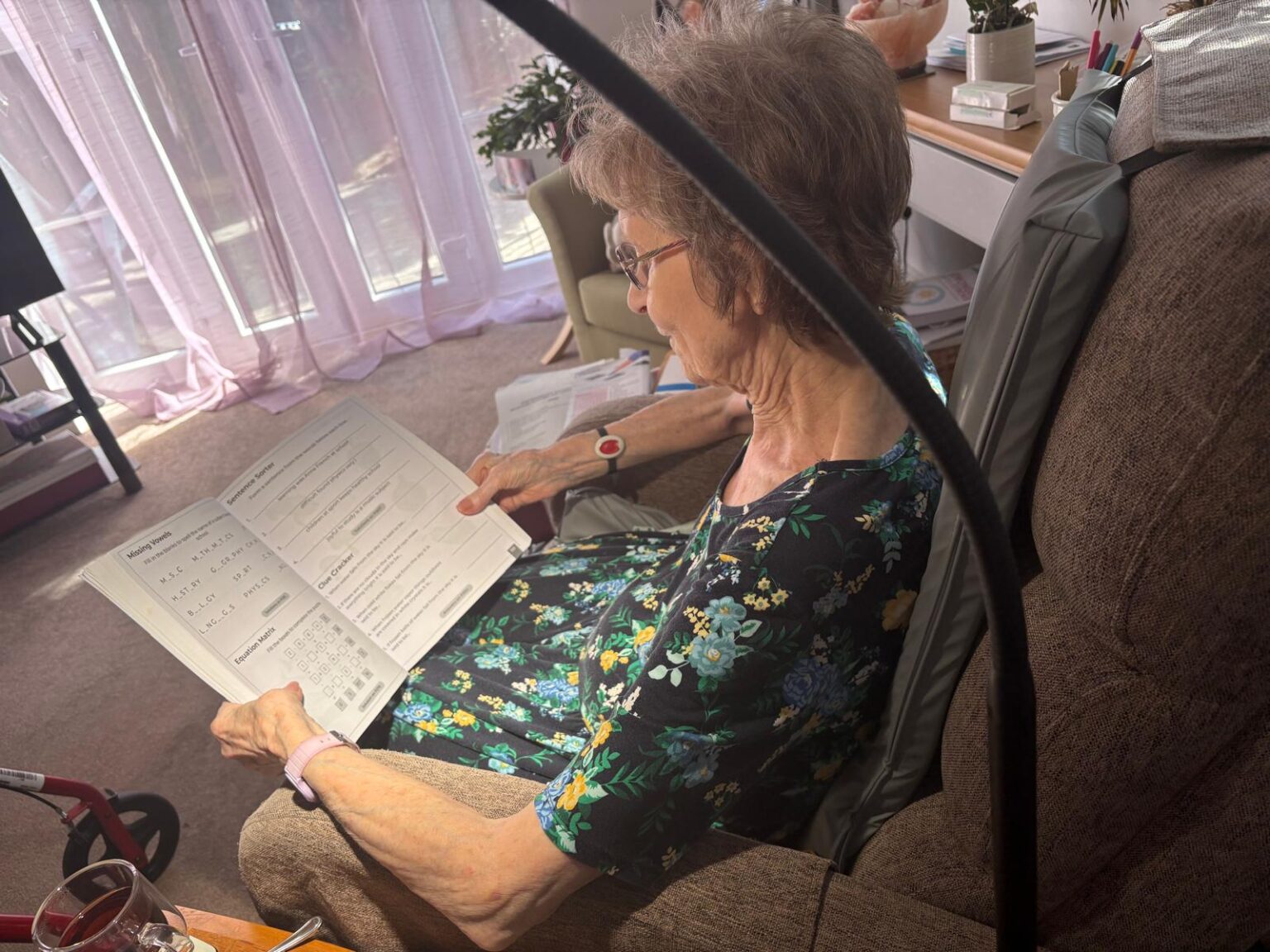
Recently, one of our team spent part of a visit enjoying a series of word and logic puzzles with a customer. Sitting together, discussing clues, celebrating correct answers and gently working through the more challenging questions became far more than an activity. It was cognitive stimulation at home in its simplest, yet most powerful form.
At Braeburn Care, we believe these moments matter. They help people remain engaged, maintain confidence, strengthen relationships and continue living fulfilling lives in the comfort of their own homes.
Home Care Should Support the Whole Person
Every person has a story, interests and passions that deserve to remain part of everyday life.
For some people, that’s tending to the garden. For others, it’s baking, knitting, reading the newspaper or enjoying a favourite television programme. Many simply enjoy a good conversation over a cup of tea.
For this particular customer, puzzles have always been something she enjoys. Rather than completing the book independently, our team became her puzzle partner, offering encouragement, sharing laughs and working through each challenge together.
This is exactly what cognitive stimulation at home should look like – not clinical or complicated, but personal, enjoyable and centred around the individual.
Why Keeping the Mind Active Matters
Research continues to highlight the importance of keeping the brain active as we age. Regular mental stimulation may help support memory, concentration, communication and problem-solving, while also contributing to emotional wellbeing.
Activities such as word puzzles, number games, crosswords, quizzes and memory exercises can help to:
- Maintain cognitive engagement
- Encourage conversation and social interaction
- Build confidence through achievement
- Support routine and purpose
- Reduce feelings of loneliness and isolation
- Create enjoyable shared experiences
While no activity can prevent dementia, meaningful engagement forms an important part of living well with dementia and maintaining quality of life for as long as possible.
The Hidden Value of Companionship
One of the greatest benefits wasn’t actually the puzzle itself.
It was the conversation.
Each clue sparked memories, prompted stories and encouraged laughter. The activity became a shared experience rather than something to simply complete.
This is why companionship is one of the fastest-growing reasons families seek professional home care today. Older adults don’t just need practical support – they need opportunities to remain socially connected and mentally engaged.
Our Care Professionals are encouraged to take the time to understand what brings joy to each customer because meaningful relationships are at the heart of exceptional care.
Person-Centred Care Means Every Visit Looks Different
There is no “one size fits all” approach to home care.
Some customers enjoy completing puzzles every week. Others may prefer listening to music from their younger years, looking through family photographs, baking favourite recipes, taking gentle walks or simply chatting over a coffee.
At Braeburn Care, every care plan is built around the individual, not the task list.
Understanding someone’s interests enables us to create visits that feel purposeful, enjoyable and genuinely enriching. It’s often these seemingly small moments that customers and families remember most.
Supporting Independence Through Everyday Activities
Remaining independent isn’t only about mobility.
It’s about continuing to make decisions, pursue interests and enjoy everyday life.
Simple activities that encourage thinking, conversation and participation help people maintain confidence in their own abilities. For many older adults, that confidence has a positive impact across many aspects of daily living.
That’s why cognitive stimulation at home is something our team naturally incorporates wherever appropriate. Whether it’s completing a puzzle together, discussing current affairs or revisiting treasured memories, every interaction has the potential to support wellbeing.
Home Care That Goes Beyond Care
Families often tell us they initially contacted Braeburn Care because a loved one needed help around the home.
What they soon discover is that truly outstanding home care is about so much more.
It’s about preserving independence.
It’s about protecting dignity.
It’s about helping someone continue enjoying the hobbies they’ve always loved.
And sometimes, it’s about sitting together on a sunny afternoon, solving a puzzle and sharing a smile.
Those moments may seem small – but to the person experiencing them, they can mean everything.
If you’re looking for compassionate, relationship-led home care in Tunbridge Wells, Tonbridge, Sevenoaks, Crowborough or the surrounding villages, Braeburn Care is here to help. Our personalised approach focuses on the whole person, supporting not only practical needs but emotional wellbeing, companionship and meaningful everyday living;
 Call us on 01892 577680
 Learn more at www.braeburncare.co.uk
 Email enquiries@braeburncare.co.uk
Frequently Asked Questions
- What is cognitive stimulation at home? Cognitive stimulation at home involves activities that encourage thinking, memory, communication and problem-solving. This might include puzzles, quizzes, word games, reminiscing, reading or meaningful conversations. Braeburn Care incorporates these activities into visits where they reflect a customer’s interests.
- Does home care include companionship in Tunbridge Wells? Yes. Braeburn Care provides companionship alongside practical home care throughout Tunbridge Wells. Many customers value having someone to share hobbies, conversations and enjoyable activities with, helping reduce loneliness and improve wellbeing.
- Can puzzles help someone living with dementia? Puzzles and similar activities cannot prevent dementia, but they can provide valuable mental stimulation, encourage conversation and help maintain confidence when tailored to the individual’s abilities and interests.
- What activities do Braeburn Care Care Professionals do during visits? Every visit is personalised. Activities may include puzzles, reading, baking, gardening, walks, music, arts and crafts, reminiscence activities or simply enjoying conversation over a cup of tea.
- Do you provide dementia home care in Sevenoaks and Tonbridge? Yes. Braeburn Care provides compassionate dementia home care across Sevenoaks, Tonbridge, Tunbridge Wells, Crowborough and the surrounding villages, supporting people to remain safely in the comfort of their own homes.
- How can home care help older adults stay independent? Professional home care supports independence by assisting where needed while encouraging people to continue enjoying their hobbies, routines and daily choices. At Braeburn Care, maintaining independence is at the heart of everything we do.