When care needs increase, many families assume that a care home is the inevitable next step. It’s a common belief – and an understandable one – but it’s not always the right answer. In reality, live-in care as an alternative to a care home is often a more flexible, compassionate and reassuring option for both individuals and their families.
At Braeburn Care, we regularly speak with families who feel overwhelmed, uncertain or even guilty as they try to make the “right” decision. Hence, we’re here to help you understand what live-in care really looks like, how it compares to residential care, and when it may – or may not – be the best choice.
What Does Live-In Care Actually Look Like?
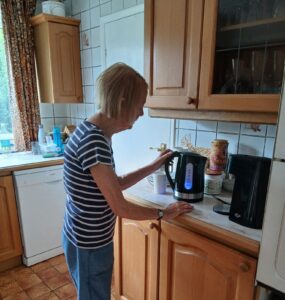
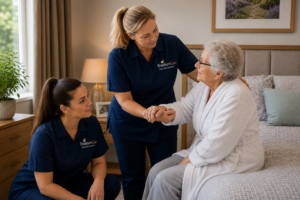
Live-in care involves a trained Care Professional living in your loved one’s home to provide one-to-one support, day and night. Care is tailored around the individual’s routines, preferences and needs, rather than fitting into a set schedule.
Day-to-day, this may include:
- Personal care and mobility support
- Medication prompts and monitoring
- Meal preparation and nutritional support
- Companionship and reassurance
- Domestic and specialist deep cleaning support services
- Support with appointments, errands and daily routines
Unlike care homes, live-in care is entirely personal. One person. One home. One consistent relationship.
Why Familiarity and Routine Matter – Especially for Dementia
For people living with dementia, familiarity is not a luxury – it’s essential. Moving into a care home often means adapting to:
- A new environment
- Unfamiliar faces
- Different routines
- Shared spaces and noise
This can increase confusion, anxiety and distress.
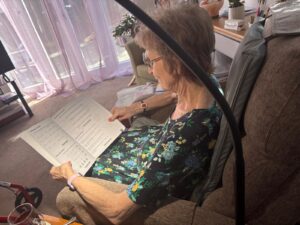
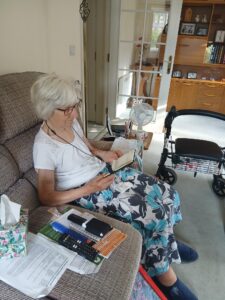
Live-in care as an alternative to a care home allows individuals to remain in surroundings they recognise, with routines that make sense to them. Familiar furniture, neighbourhoods, pets and daily habits can significantly reduce agitation and help people feel safe and grounded.
The Emotional Impact: Staying at Home vs Moving Away
Care decisions are rarely just practical – they’re deeply emotional. Families often tell us they worry that choosing a care home means:
- Losing independence
- Losing identity
- Losing “home”
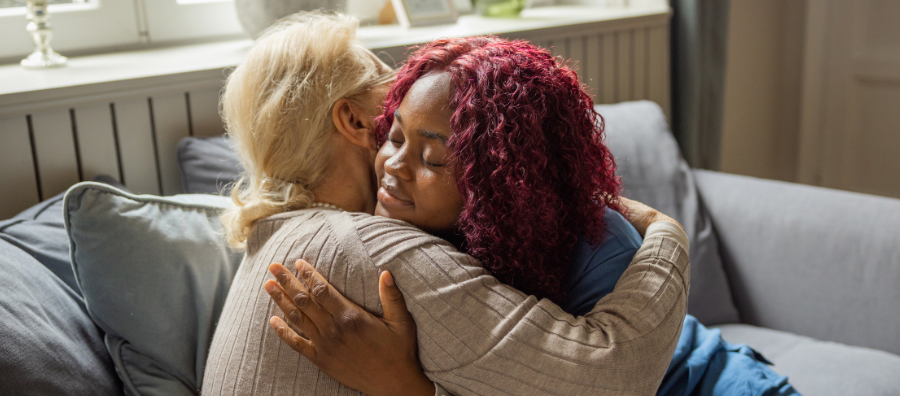
Live-in care can preserve a sense of normality and dignity. It allows individuals to continue being themselves – not “a resident”, but a person in their own home, supported with respect and compassion. For families, it can also bring peace of mind, knowing their loved one isn’t facing change alone.
Cost Comparison: Live-In Care vs Care Homes
Cost is an important – and valid – consideration. In many cases, live-in care is comparable to, or even more cost-effective than, residential care, particularly where:
- Care needs are complex
- A couple would otherwise need two care home placements
- One-to-one support is required
Care homes typically charge per person, often with additional fees. Live-in care provides dedicated support within the home, with greater flexibility and transparency.
At Braeburn Care, we believe in open, honest conversations about costs – without pressure or assumptions.
When Live-In Care Works Best
Live-in care is often an excellent option when:
- Someone wants to remain at home
- Dementia or cognitive needs are present
- Consistency of carer is important
- Hospital discharge support is needed
- Emotional reassurance and companionship matter
When a Care Home May Be More Suitable
Being honest also means acknowledging that live-in care isn’t always the right fit.
A care home may be more appropriate if:
- Complex clinical care is required around the clock
- Safety risks cannot be managed at home
- The individual prefers a communal setting
A good care provider will help you explore all options – not steer you toward one outcome.
Guidance, Not Pressure
Choosing care isn’t about ticking boxes. It’s about understanding what will genuinely improve quality of life.
At Braeburn Care, we don’t “sell” live-in care. We help families weigh their options, ask the right questions, and make informed decisions – with clarity and confidence.
If you’re considering live-in care as an alternative to a care home, having an honest conversation can make all the difference.
Frequently Asked Questions
- Is live-in care cheaper than a care home? In many cases, yes – particularly where one-to-one support is needed. Costs depend on care needs, but live-in care is often comparable.
- Can live-in care support dementia? Yes. Live-in care is particularly effective for people living with dementia due to consistency, familiarity and routine.
- What areas does Braeburn Care cover? Braeburn Care provides live-in care throughout Kent and East Sussex.
- Is live-in care available short-term? Yes. Live-in care can support hospital discharge, respite needs or transitional periods.
- Will the same carer stay long-term? Where possible, we prioritise consistency to build trust and familiarity.
- How quickly can live-in care start? In urgent situations, care can often begin within days, subject to assessment.
- How do I know which option is right? Speaking with an experienced provider like Braeburn Care can help you explore options honestly and without pressure.
If you’re weighing up care options and want an honest conversation about what’s right for your family, our team is here to talk things through – openly, calmly and with your best interests at heart;
 Call us on 01892 577680
 Learn more at www.braeburncare.co.uk
 Email enquiries@braeburncare.co.uk